Enhance Your Property Via Skilled Electrical Work: Reliability, Quality, and Safety
Improving a home via skilled electrical work is a prudent investment for property owners. Certified electricians offer unique proficiencies that guarantee quality and adherence to safety regulations. This specialized knowledge not only boosts functionality but also increases the worth to the home. However, many homeowners overlook the specific benefits and the necessary factors. Knowing these considerations is crucial for making educated choices concerning electrical enhancements and installations. What factors should one consider when picking a professional company?
Why You Should Hire Certified Electricians
In the realm of electrical services, using licensed contractors is crucial for guaranteeing safety and compliance with regulations. Licensed electrical contractors hold the essential certifications and qualifications to understand complex electrical systems and comply with area standards. Their expertise minimizes the risks involved in electrical services, like the risk of fire, electric shocks, and faulty installations. Additionally, qualified electricians are equipped with the right tools and techniques to efficiently identify and solve issues, preventing costly mistakes.
In addition, they stay updated on professional standards and technological progress, ensuring that the work performed is reliable and safe but also energy-efficient. Employing licensed contractors also gives you confidence, because their projects usually feature warranties and protection. This degree of certainty is extremely valuable to property owners, because it protects their financial outlay and boosts the complete operation of their power infrastructure. Thus, employing certified professionals is a crucial measure in maintaining a safe and dependable electrical system.
Advantages of Using Expert Electrical Services
Engaging professional electrical services delivers multiple perks that reach beyond standard maintenance and new setups. A major perk is the guarantee of security; skilled contractors stick to strict safety guidelines, minimizing the risks of electrical hazards. Their proficiency secures that fittings adhere to area standards and laws, shielding the residence and the people living there.
In addition, professional services give clients access to specialized knowledge and skills, facilitating efficient troubleshooting and problem-solving. This expertise allows for quicker resolution of issues, reducing downtime and inconvenience for property owners. Furthermore, professional electricians are able to suggest energy-efficient solutions that help achieve long-term cost savings and sustainability.
Reliability is a further major benefit; professional services typically include warranties or guarantees, giving assurance for clients. By investing in expert electrical services, property owners can enhance more than just the functionality of their electrical systems but also the entire worth and protection of their properties.
Improving Your Illumination for Aesthetic Appeal

Improving illumination can vastly improve the aesthetic appeal of a property. Choosing the right fixtures, utilizing energy-saving lighting, and using layered lighting techniques are essential strategies for achieving a desired ambiance (Downers Grove Electrician). These elements not only elevate style but also contribute to functionality and sustainability
Choosing the Right Fixtures
Choosing the right lighting fixtures can significantly improve the aesthetic appeal of a property, as well-designed lighting does not just light up areas but also creates mood and atmosphere. When selecting fixtures, one must consider the style of the space—modern, traditional, or eclectic—to guarantee that the lighting complements the overall design. Size and scale are crucial as well; oversized fixtures can overwhelm a room, while too-small fixtures may go unnoticed. Moreover, the type of light emitted by the fixture impacts the ambiance, with options ranging from warm to cool tones. In conclusion, functionality should be taken into account; task lighting should be practical, while decorative pieces should enhance visual interest. Thoughtful selection of fixtures can revitalize any space, making it inviting and stylish.
Eco-Friendly Lighting Choices
As property owners aim to upgrade their spaces, energy-efficient lighting solutions emerge as a practical and stylish option. These innovative lighting technologies, such as LED and CFL bulbs, not only cut down on power usage but also offer various aesthetic options. By selecting energy-efficient fixtures, property owners can establish welcoming environments that mirror their unique style while contributing to environmental sustainability. The vibrant colors and variable illumination settings provided by today's eco-friendly illumination facilitate tailoring that can enhance the look of any space. Moreover, the extended lifespan of these fixtures minimizes maintenance costs, proving they are a valuable asset for anyone wanting to improve their lighting. Ultimately, eco-friendly illumination options blend practicality and aesthetics, converting areas into attractive environments.
Using Layered Illumination Effectively
Although numerous homeowners concentrate on single fixtures, using light layering techniques can turn a room into a lively and interesting setting. This technique involves combining ambient, task, and accent lighting to add dimension and appeal. Ambient lighting provides overall illumination, and task lighting aims illumination to designated spots, for example, kitchen counters or study areas. Accent lighting highlights structural elements or pieces of art, imparting elegance and style. Using thoughtful placement of lighting elements and making use of light regulators, building managers have the power to change the ambiance and practical use of every space. This thoughtful approach not only enhances aesthetic appeal but also guarantees that spaces are used effectively and comfortably. Investing in expert electrical services can assist in finding the perfect equilibrium of layered lighting, improving a home's atmosphere significantly.
Ensuring Safety During Electrical Work
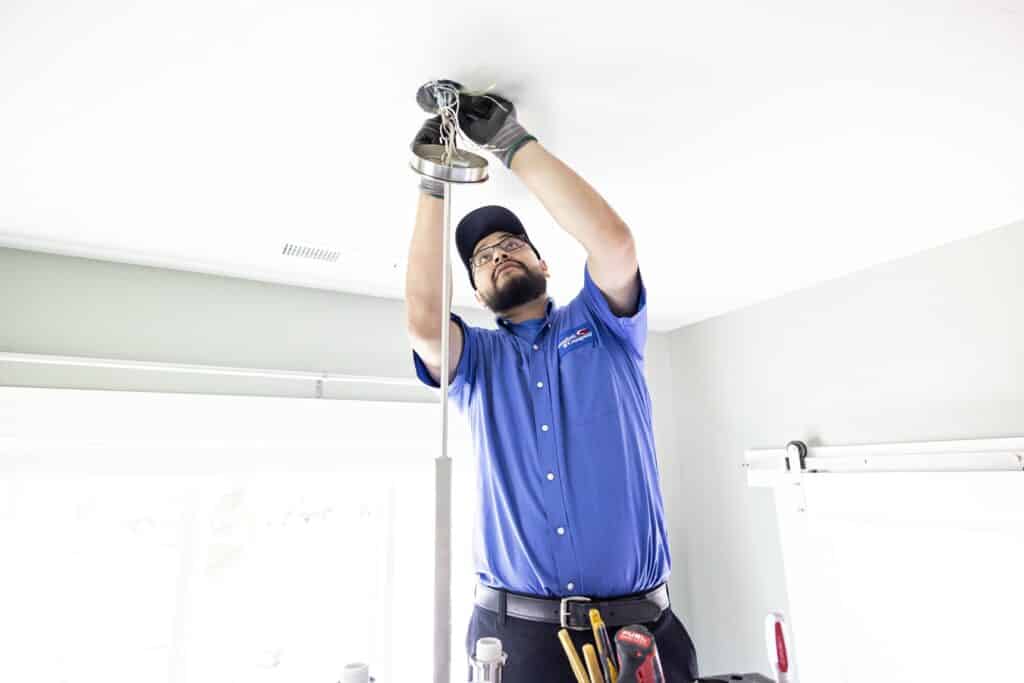
Regarding the setup of electrical systems, following correct installation procedures is vital to maintain functionality and functionality. Furthermore, circuit breakers are extremely important, as they serve as a critical line of defense against power surges and malfunctions. Grasping these protective protocols can substantially lower the potential of electrical hazards in any property.
Standard Wiring Practices
Maintaining safety while installing electricity requires meticulous adherence to correct installation methods. This involves using the correct gauge of wire for the anticipated demand, making certain that all connections are secure and insulated, and adhering to regional wiring regulations. Experts stress the necessity of preventing circuit overcapacity, which can cause dangerous warmth and possible ignition. Moreover, using specific wire colors for various roles—such as black for hot, white for neutral, and green for ground—makes locating issues and repairs simpler. Properly securing wires with conduits and clamps prevents damage and guarantees they remain in place. In addition, employing high-quality materials and components significantly improves the overall safety and reliability of the electrical system, lessening the possibility of future failures and hazards.
Understanding Circuit Breaker Necessity
Proper wiring techniques lay the groundwork for a safe electrical system, but the role of circuit breakers cannot be overlooked in enhancing safety measures when installing electrical systems. Circuit breakers act as vital safety mechanisms that protect electrical circuits from overloads and short circuits. When automatically stopping the flow of electricity upon the occurrence of a fault, they prevent potential hazards such as electrical fires or equipment damage. The necessity of these devices is heightened in residential and commercial properties, where the risk of electrical failure can lead to considerable consequences. Routine checking and upkeep of circuit breakers confirm their dependable operation, allowing property owners to enjoy peace of mind. In summary, circuit breakers are vital components that greatly contribute to the safety and integrity of electrical systems.
Homeowner Electrical Project Examples
While many homeowners may feel daunted by electrical work, several common projects can be tackled with adequate preparation and basic knowledge. One popular undertaking is replacing light fixtures, which can enhance a room's ambiance while improving energy efficiency. A further typical task involves installing dimmer switches, which enables homeowners to adjust lighting levels as they see fit. Homeowners often take on the installation of ceiling fans, which offers comfort and saves energy
Modernizing outlets, like installing GFCI (Ground Fault Circuit Interrupter) outlets in kitchens and bathrooms, take the first step improves safety and fulfills code requirements. Additionally, many choose to install outdoor lighting to improve security and aesthetics of their property. Downers Grove Electrician. And lastly, supplying electricity to garages or sheds can expand functionality. These tasks not only upgrade the residence but also empower homeowners to engage with their living spaces actively, fostering a sense of accomplishment and ownership
Selecting the Best Electrical Service Provider
Choosing the appropriate electrical contractor is crucial for homeowners seeking reliable and secure electrical work. When assessing prospective contractors, you must put emphasis on their expertise and credentials. Certified electrical contractors with established reputations tend to provide dependable results.
Be sure to also examine ratings from previous clients, which offer a look at the provider’s reliability and workmanship. In addition, requesting various price comparisons can help in comparing costs and determining the scope of work available.
You must ask about coverage and guarantee policies, making sure the contractor has protection for potential issues that may occur while the work is underway or afterward. Clear communication is key; a good provider should be ready to address inquiries and explain procedures thoroughly.
In the end, by performing detailed investigation and hiring a reliable wiring professional, residents can boost their property’s protection and effectiveness while ensuring quality work is completed.
FAQs
How Do I Know if My Wiring Needs to Be Replaced?
Telltale signs for replacing wiring are frequent circuit breaker trips, unsteady illumination, damaged sockets, or obvious deterioration of cables. For houses older than 30 years, a thorough review by an expert is wise for protection.
What Steps Should I Take During Repeated Power Loss?
When experiencing frequent power outages, you must begin by looking for problems with the power company. If the outages keep happening, contacting a licensed contractor to check the residence's electrical infrastructure is prudent for protection and performance.
What Upgrades Will Lower My Power Costs By Modernizing My Wiring?
In order to cut down on energy expenses, it is smart to move toward energy-efficient appliances, installing smart thermostats, enhancing thermal barriers, and using light-emitting diode fixtures. Such modifications usually result in considerable cost reductions while improving total power consumption control in the property.
Is It Safe and Lawful to Fix Wiring Myself?
Self-performed electrical work is often dangerous and potentially illegal, based on regional codes. It is essential to understand the risks involved and check local codes before attempting any electrical work without a licensed contractor.
How frequently must I arrange an electrical check-up for my property?
It is recommended that homeowners book electrical inspections approximately every three to five years, depending on the age of the wiring and appliances. Routine checks assist in pinpointing risks, making certain of safety and meeting requirements to the local electrical standards.